
Chad McLean is an Arizona Army Veteran who is passionate about the mental health of veterans. McLean suffered traumas that compounded into a number of mental health issues, culminating in a suicide attempt in 2020. Then, Chad found help in ketamine therapy. During this therapy, he had a vision that he would later manifest into his clothing line, Mental Joe. Mental Joe is designed to encourage conversations around mental health and help dispel the stigmas associated with it. Most importantly, Chad wants veterans (and all people) to know that there are alternative forms of treatment, like ketamine therapy and Tension and Trauma Releasing Exercises (TRE) available to them.
What or who inspired you to serve?
If I’m being completely honest, my decision to join wasn’t exactly driven by inspiration, it was more of a necessity. I’ve always respected our service members, but I enlisted during a relatively “calm” period in the world. Truthfully, I didn’t have many other options at the time. School wasn’t really my thing, not because I wasn’t capable, but because I didn’t put in the effort. So, the military became the path that made the most sense for me.
What’s the origin story of Mental Joe?
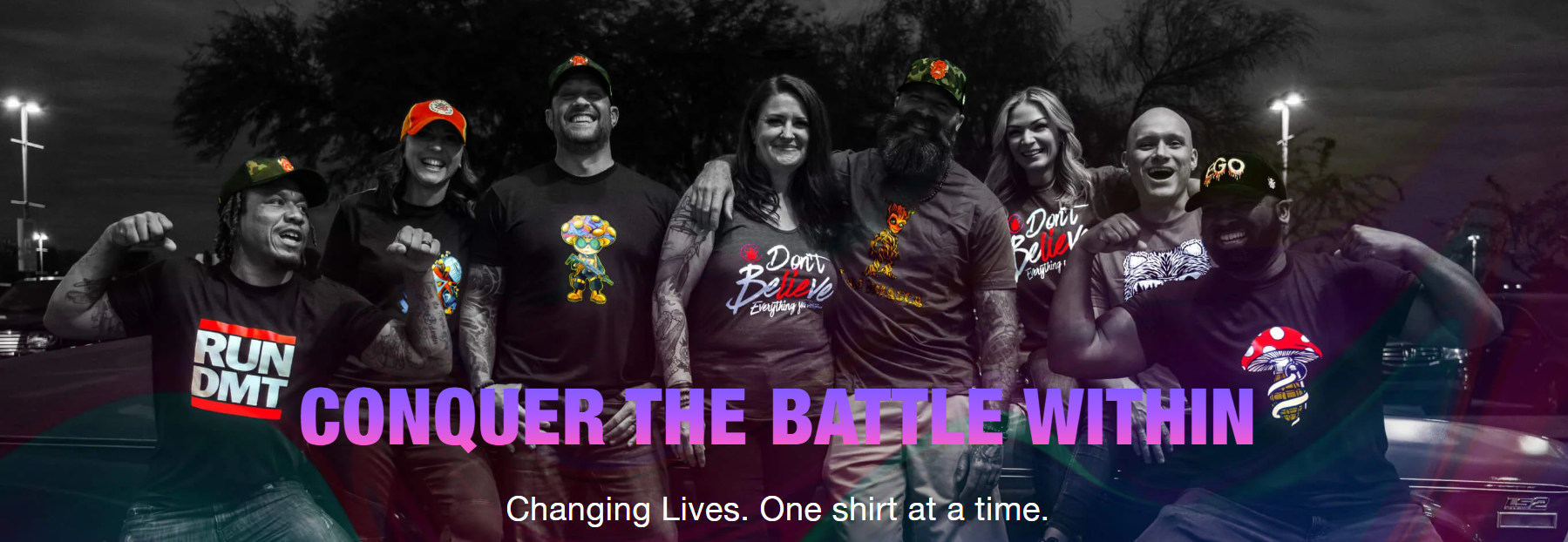
Around my seventh or eighth ketamine session, I had, wait for it, a vision to start an apparel company. Crazy, right? I’d always been into good “swag,” but launching my own brand? That was never on my radar. I had spent the previous 20 years in corporate real estate, a completely different world.
But something clicked. I knew firsthand how powerful apparel could be, not just as something you wear, but as a way to build a community and share a message. And just like that, the idea for Mental Joe was born.
How did your service influence the work you’re doing with Mental Joe?
Depending on the report you read, veteran suicide rates range anywhere from 22 to 44 a day, and that’s not even counting our first responders or the everyday people struggling in silence.
Honestly? I was tired of seeing the “22 push-ups” challenge as the go-to for awareness. Awareness is important, but action is what actually saves lives. I wholeheartedly believe that if more people were willing to look at ketamine and psychedelic therapy through a different lens, we could dramatically reduce these numbers. It’s not about temporary fixes, it’s about real, lasting healing.
What’s the biggest challenge you face in your work?
Breaking the stigma around mental health is one thing—but tackling the misconceptions around psychedelics and legalization? That’s a whole other battle. For decades, our government and even parts of the “hippie” culture have shaped a narrative that makes people hesitant, skeptical, or downright fearful of these therapies.
It’s not an easy task to change minds, but we’re here for it. Because at the end of the day, when I get a message from someone who took the leap, tried these therapies, and is still here with us today because of the Mental Joe mission—that’s what keeps us going. That’s why we do this.
What impact do you want your work to have?
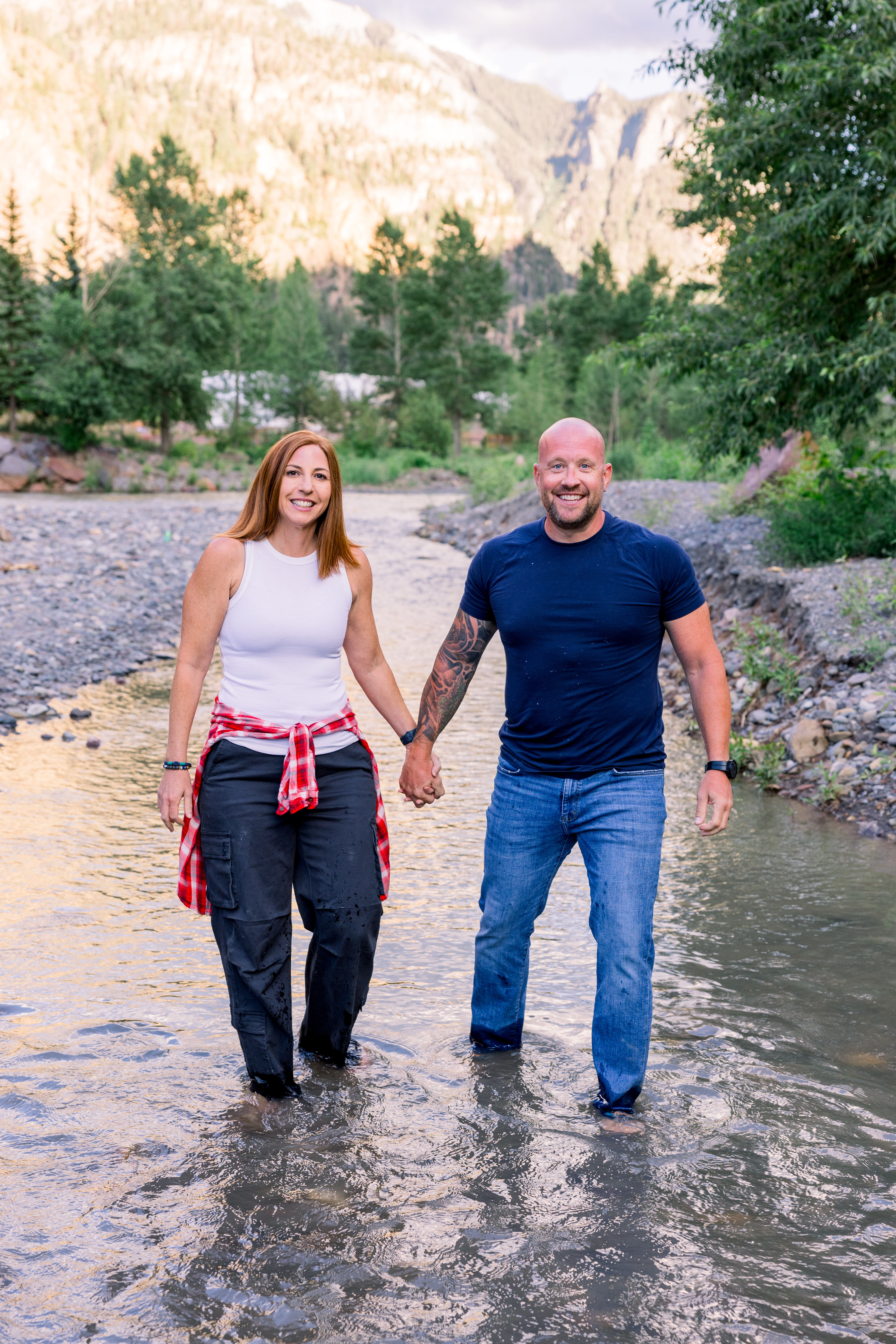
We’re on a mission to bring massive change to the mental health community. In just under three years, Cari and I have connected with over 200 individuals, whether through Zoom calls, coffee meetups, or quick conversations on social media.
And let me tell you, the conversations around psychedelic and ketamine therapy today compared to three years ago? Drastically different. People are diving in, doing their own research, and opening their minds to new possibilities.
We know that when used responsibly and with the right support, these therapies can heal entire families, and that kind of healing doesn’t stop at the front door. It ripples out into communities, then across states, and ultimately, across the nation. This is bigger than us. It’s about changing the way we approach mental health, one conversation, one breakthrough, one family at a time.
What inspires you to keep doing the work you are doing?
We’ve witnessed lives completely transformed; people who were on the edge but found hope through these therapies. The conversations where someone says, “I wouldn’t be here today if I hadn’t heard your story”—those moments hit deep.
We see the change firsthand and know the impact we’re making. Now, if we only had more capital and a kick-ass marketing team to take this mission even further.

 ISSUED