
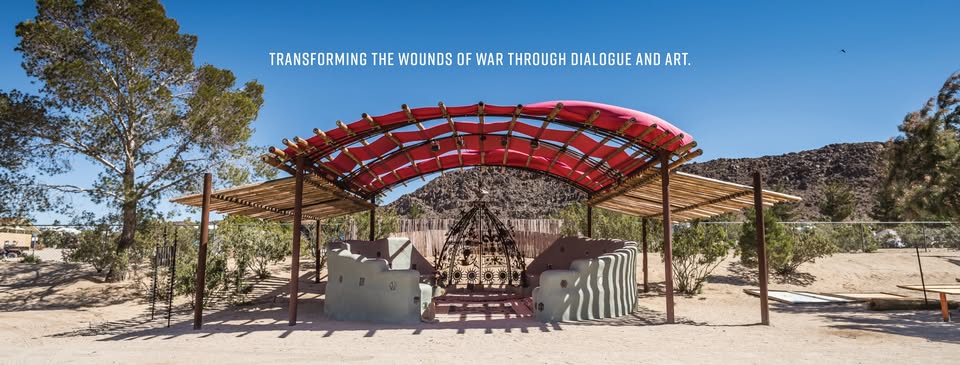
Since 2013, the nonprofit Mil-Tree has supported veterans in Joshua Tree, California and beyond. Led by its founder and co-executive director, Cheryl Montelle, Mil-Tree supports veterans through their transition into civilian life through an arts-based network of support that helps combat the anxiety, stress, and isolation of reintegration (and beyond). Accordingly, Mil-Tree regularly offers an impressive array of writing and visual art workshops, embodiment and yoga workshops, film screenings and author readings, singer/songwriter workshops, gardening workshops, and special events.
When was Mil-Tree founded and what was the inspiration behind it?
In 2012, I read War and the Soul: Healing Our Nation’s Veterans of Post-Traumatic Stress Disorder by Dr. Ed Tick. The book examines how other cultures help their warriors reintegrate into society, contrasting that with the often inadequate methods in our own country. In the U.S., veterans typically face a quick fix through pills for depression and anxiety, or the standard “Thank you for your service,” but there’s no real process for integrating them back into community life. I found this both thought-provoking and deeply saddening.
Around that time, I was hosting book readings in Joshua Tree, and I reached out to Dr. Tick, inviting him to speak…During [his visit], Dr. Tick stressed that, if we truly wanted to support returning warriors, it was vital to form a community group that would welcome them back into the fold. Inspired by this, I decided to take action.
I already had a mailing list from a show I produced annually, so I posted a message asking if anyone was interested in starting a group to support veterans. A handful of people responded, including some veterans. One Marine veteran suggested the name “Mil-Tree,” explaining that the military often uses “Mil” in front of everything, and since we were in Joshua Tree, it seemed fitting. The name stuck, and that’s how Mil-Tree was born.
What kinds of events do you sponsor for veterans and which do you think has been the most impactful?
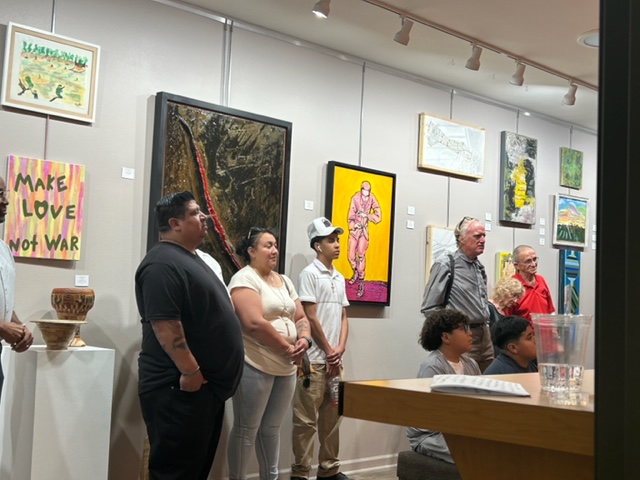
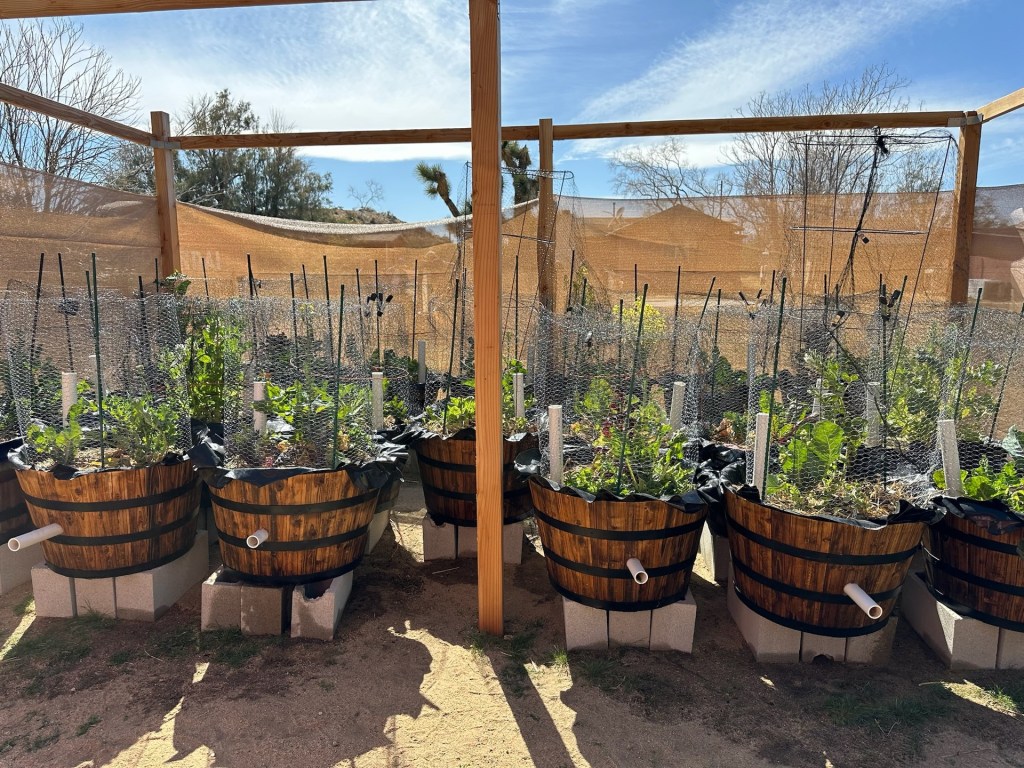
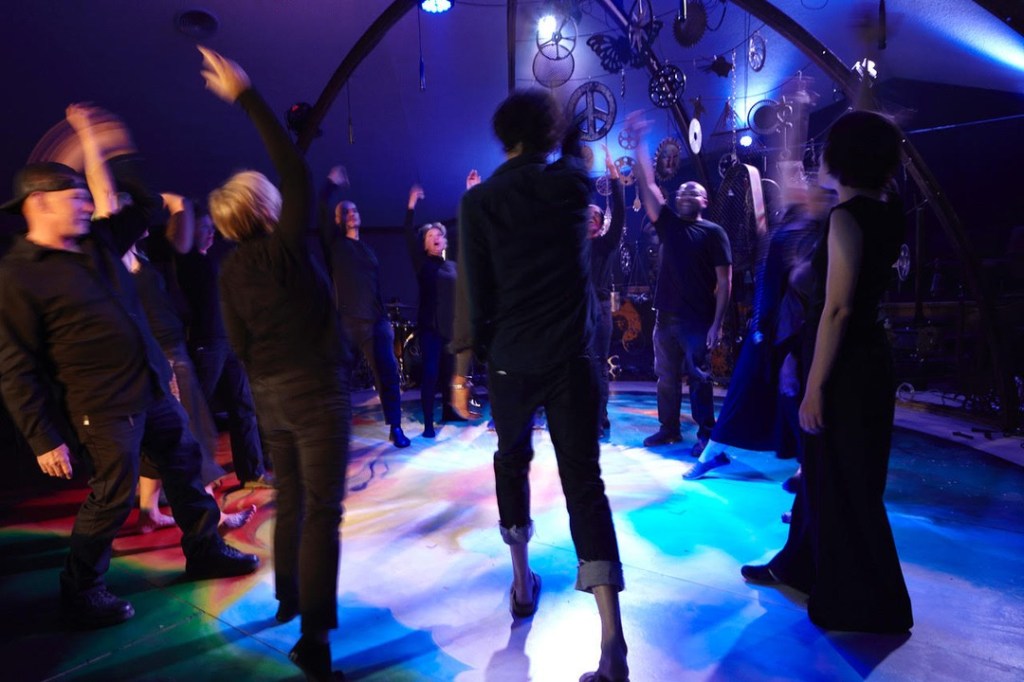
Mil-Tree hosts a variety of events, most of which involve both military personnel and civilians, in alignment with our mission statement. We’ve offered numerous workshops, including paper making, printing, painting, mask making, ceramics, movement workshops, songwriting, writing workshops, rock climbing, community garden creation, playwriting, and bird watching. We also host more in-depth retreats where we bear witness to the stories that need to be told.
Our first major event was hosting a Soldier’s Heart retreat…at the Joshua Tree Retreat Center in 2013. Veterans, family members, active-duty service members, chaplains, and concerned community members from all over the country came together for the retreat—about 30 participants total.
What happened at the retreat was extraordinary. Civilians had the opportunity to bear witness to the stories shared by veterans and active-duty participants. They opened up about their service and the challenges they faced, from the traumatic to the everyday struggles of reintegration. As a group, we collectively delved deep into each person’s experience. We all had the chance to share our own stories, and just as importantly, we listened to each other. There were also various exercises that encouraged self-reflection and connection.
The synergy that emerged was incredible. Typically, the community members hold space for the veterans, but in this retreat, since many civilians didn’t fully understand the weight of military service and its effects, veterans and active-duty members took on the role of holding space for the civilians as well. It was a unique, reciprocal dynamic—both sides offering support, understanding, and empathy.
[So] While I love all of our workshops because they bring people together and foster connections through shared experiences, I believe the retreats create the most profound impact. They provide a safe space for us to truly listen to the stories of those who have served, and to the families of service members. Many of these individuals live with trauma, whether it’s PTSD, traumatic brain injury (TBI), survivor’s guilt, or disappointments stemming from the gap between the expectations and reality of military service.
What kind of impact has it had on the veteran community?
Mil-Tree has helped create an inclusive community made up of veterans, active duty and civilians that goes beyond our programs and events. New friendships have been established over the years. We focus on what we have in common as human beings. What we may not have understood or haven’t even considered in the past is more appreciated in the present — I mean this for all participants concerned. We start to break down the differences.
What inspires you to continue your work?
The doors continue to open, so I keep walking through them. If I were to be more specific, it’s the people I’ve met, the lives we’ve touched as an organization, and the invitations from other groups to collaborate on creative projects that help welcome veterans back into the greater community. Together, we are creating a more inclusive environment.
 ISSUED